

 Book appointment
Handbook · HPV & cytology
What does a Pap smear show?
1 September 2026 · 2 min read · Д-р Мария Райкова
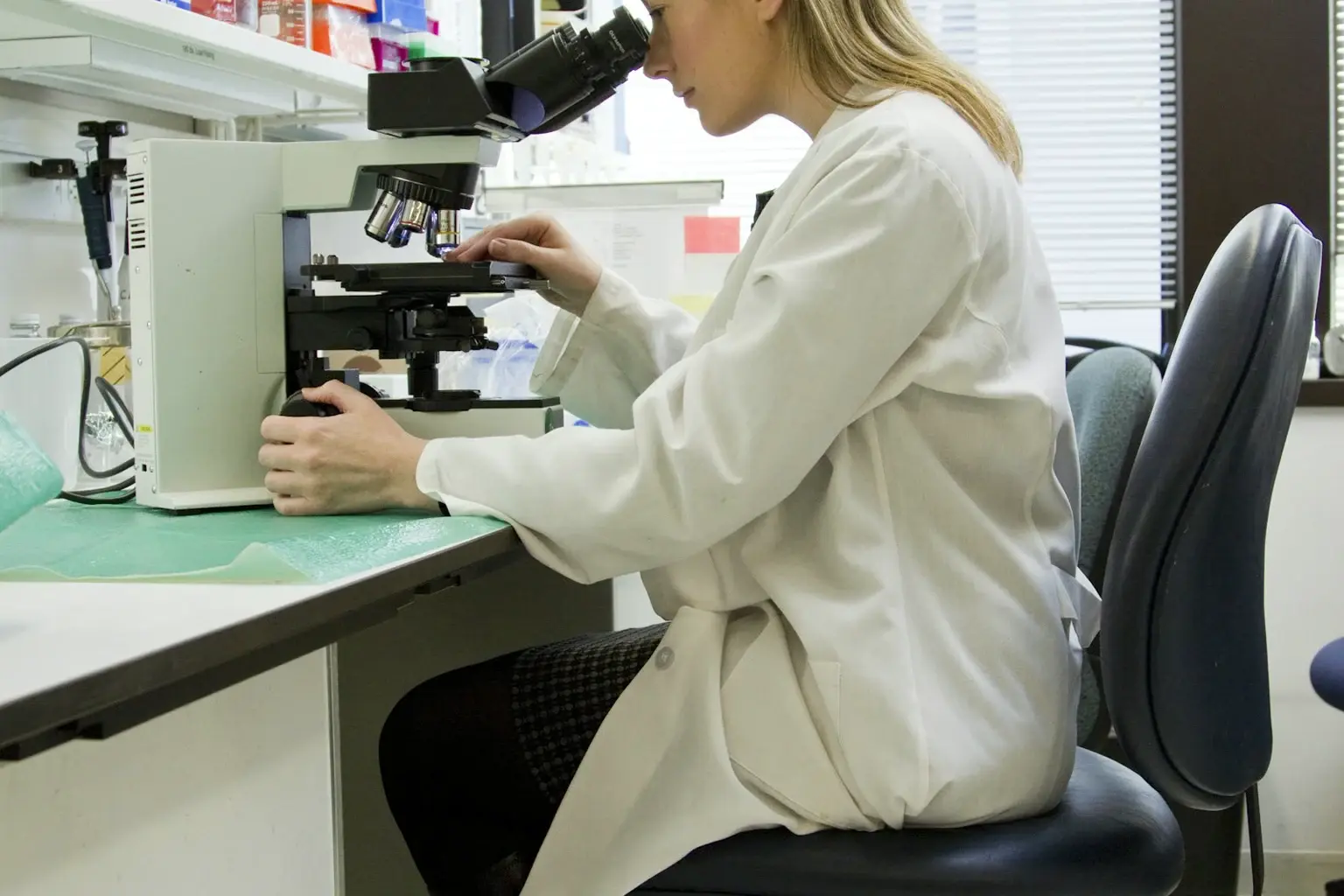
A Pap smear examines cervical cells. Learn what it detects, how to read results, and what happens when there is an abnormality.
Short answer: A Pap smear shows whether cells from the cervix have changes — from normal to those requiring further assessment. It does not diagnose cancer directly; it is screening — early detection of cell changes before problems develop.
The Pap smear is part of cervical screening. It is often combined with an HPV test, but provides different information — see HPV test vs Pap smear.
How is the sample taken?
During a gynecological exam, the doctor or nurse takes a small sample of cells from the cervix with a soft brush or spatula. The sample is placed in a container and sent to the laboratory.
The procedure takes seconds. Most women describe the sensation as brief discomfort, not pain.
What results can you receive?
The laboratory describes cells using medical terms. The most common categories include:
| Result | What it means briefly |
|---|---|
| Normal (Negative) | No changes requiring further assessment now |
| ASC-US | Mild changes of unclear significance — often followed by HPV test |
| LSIL | Low-grade cell changes — usually follow-up or colposcopy |
| HSIL | More significant changes — usually colposcopy |
Exact interpretation depends on age, HPV status, and previous results — not on the category name alone.
What happens when there is an abnormality?
With a normal result, the next preventive check-up is usually planned according to guidelines.
With an abnormality, the doctor may recommend:
- HPV test — to assess whether changes are linked to the virus.
- Repeat Pap smear — after a set interval.
- Colposcopy — a magnified examination of the cervix.
More on next steps: What happens after an abnormal Pap smear?
When is a Pap smear done?
The interval is set by age, history, and national screening recommendations. It is usually discussed at a preventive check-up — not on an arbitrary calendar date.
If you have a positive HPV test or symptoms, do not wait for the next planned screening — book a consultation.
How to prepare
- Avoid vaginal creams, spermicides, and douching 24–48 hours before the exam unless told otherwise.
- Bring previous results.
- Ask: “When should I expect the result and how will I be notified?”
The Pap smear is one of the most effective screening methods in gynecology. Early detection allows calm next steps — not fear.
Frequently asked questions
What is a normal Pap smear result?
A normal (negative) result means no changes requiring further assessment were found in the cells examined at that time. The interval until the next screening is set by the doctor according to age and guidelines.
What does ASC-US mean?
ASC-US means atypical cells of undetermined significance — mild changes whose importance is not fully clear from the Pap smear alone. An HPV test or repeat Pap smear is often recommended to decide whether colposcopy is needed.
What are LSIL and HSIL?
LSIL means low-grade cell changes; HSIL means more significant changes that require closer follow-up. Neither is a cancer diagnosis, but both determine next steps — often colposcopy.
Does taking a Pap smear hurt?
Most women feel brief discomfort or mild pressure. The procedure is quick — seconds. If you have pain or anxiety, tell the doctor beforehand.
In closing
A Pap smear is screening — not a final diagnosis. When there is an abnormality, a clear conversation and plan follow — not a reason to panic.
Have a Pap smear result you do not understand? A consultation helps interpret it in light of your history.

The information in this article is for educational purposes and does not replace individual medical consultation, diagnosis, or treatment.
Sources
More from the handbook
Related services
If this topic concerns you or you want the next step — these are the main services in the practice.
- Pap smearScreening for cervical cell changes — with clear guidance on preparation, sampling, and next steps after results.
- HPV testHPV testing when indicated. We discuss whether it is appropriate and how it pairs with a Pap smear.
- ColposcopyA specialized exam of the cervix after an abnormal Pap smear or visible changes. The goal is a more precise assessment and a calm follow-up plan.